FORMULA E IS MORE THAN A RACING SERIES. IT’S A PLATFORM SHAPING THE FUTURE.
INTRODUCTION
WHAT IS
FORMULA E?
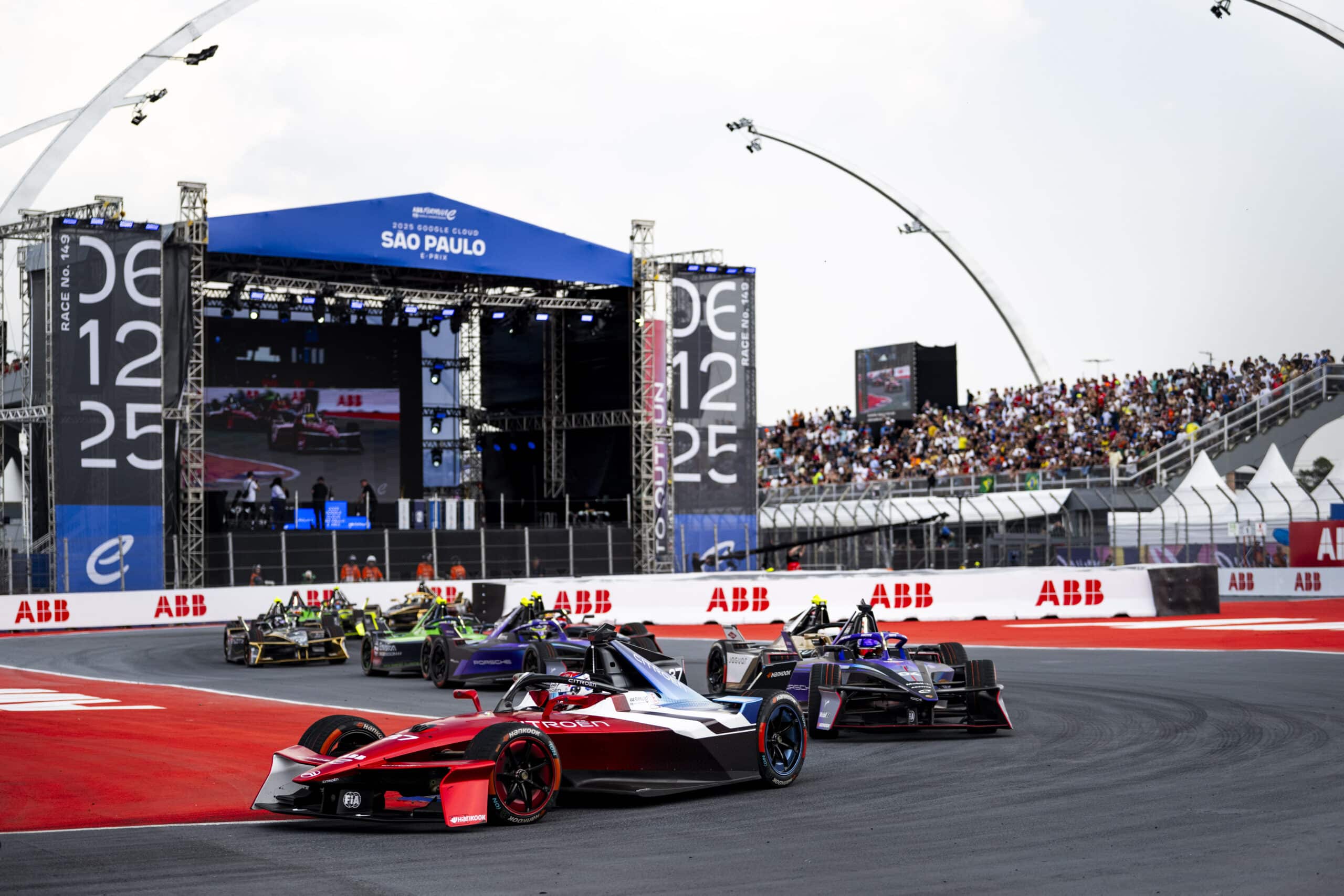
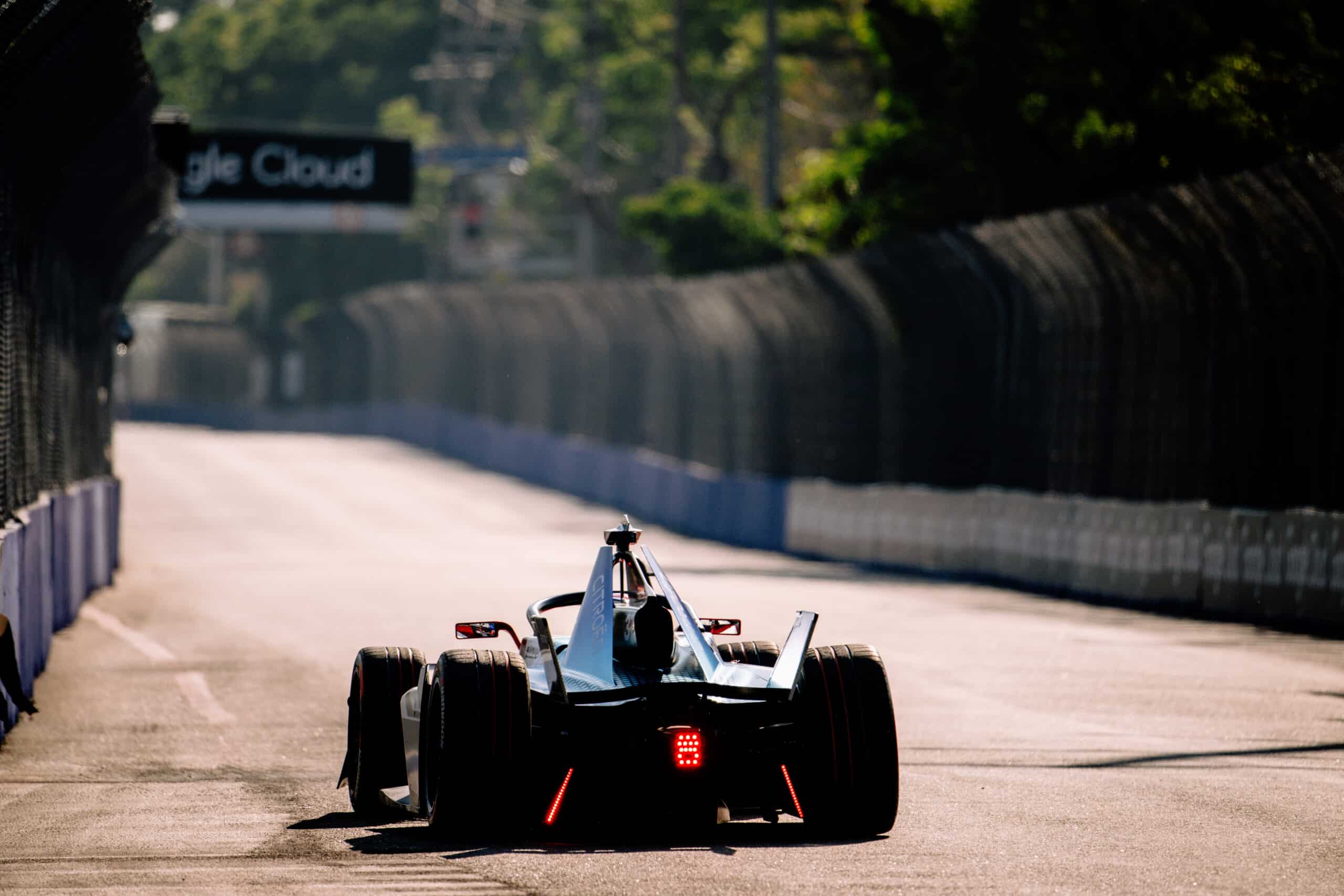
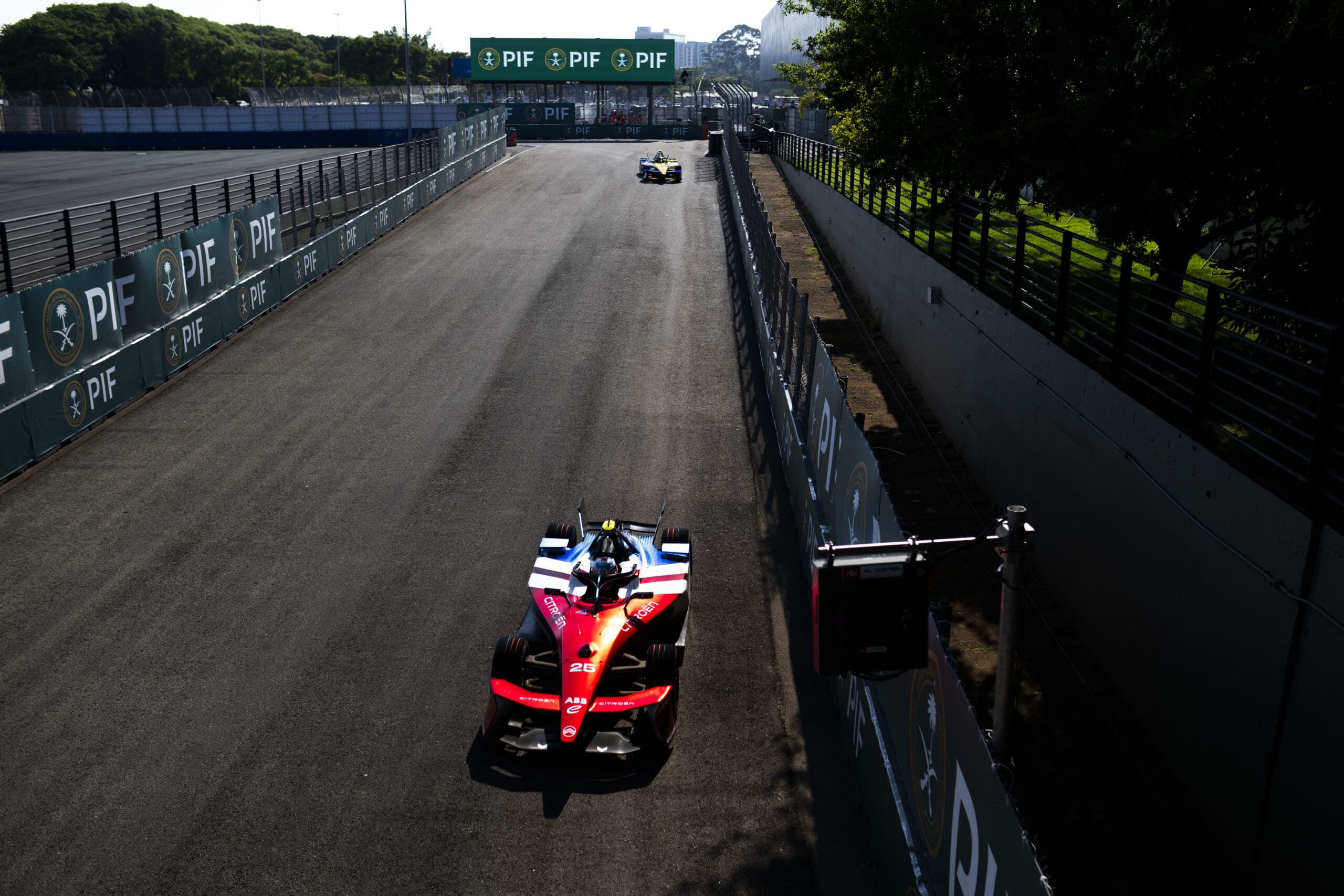
Formula E is more than racing, it’s the highest level of electric single-seater competition in the world. The championship is embarking on Season 12 with a record-breaking race calendar, global venues and bold innovation at its heart. With the Gen3 Evo race car capable of 0-100 km/h in 1.86 seconds and an all-wheel-drive system, it sets a new benchmark in performance, agility and sustainability.
Every weekend in Formula E is a live-laboratory for the future of mobility. The cars run in city-centre street circuits, deploy Attack Mode and fast-charging pit-boost stops, and race on acalendar of up to 17 rounds, all contributing to advancing clean-electric technology for the road.
The format delivers action, strategy and innovation as the sport that drives mobility forward.
BORN FROM A VISION
BORN FROM A VISION
The story behind the championship
The idea for Formula E famously began as a sketch on the back of a napkin in 2011, when Alejandro Agag and FIA President Jean Todt imagined a championship that could accelerate the future of sustainable mobility.
Three years later, that simple drawing became reality with the inaugural race in Beijing in 2014. Since then, Formula E has evolved into a global platform for electric innovation, reshaping the world of motorsport and the future of mobility.
a championship like
no other
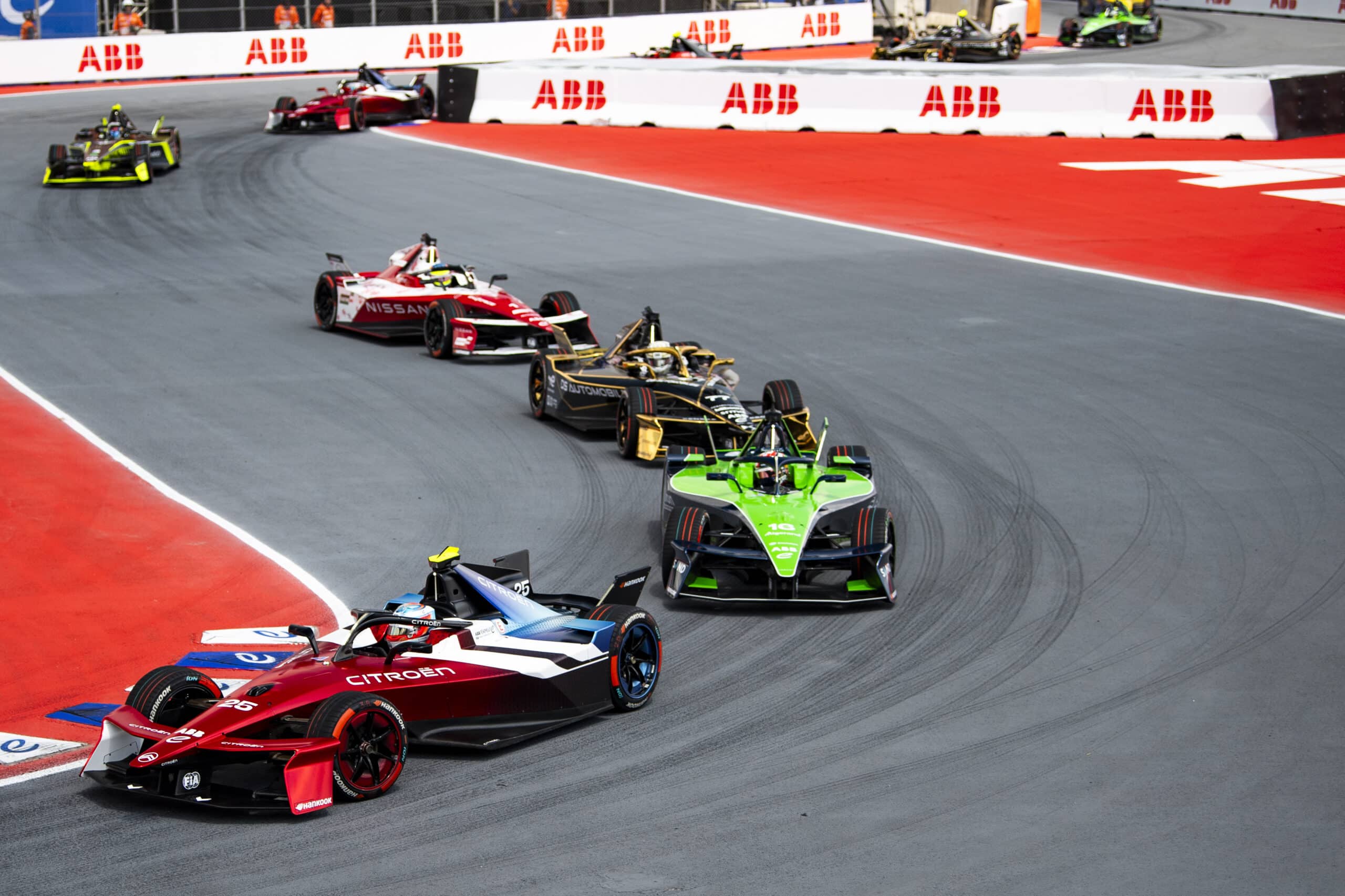
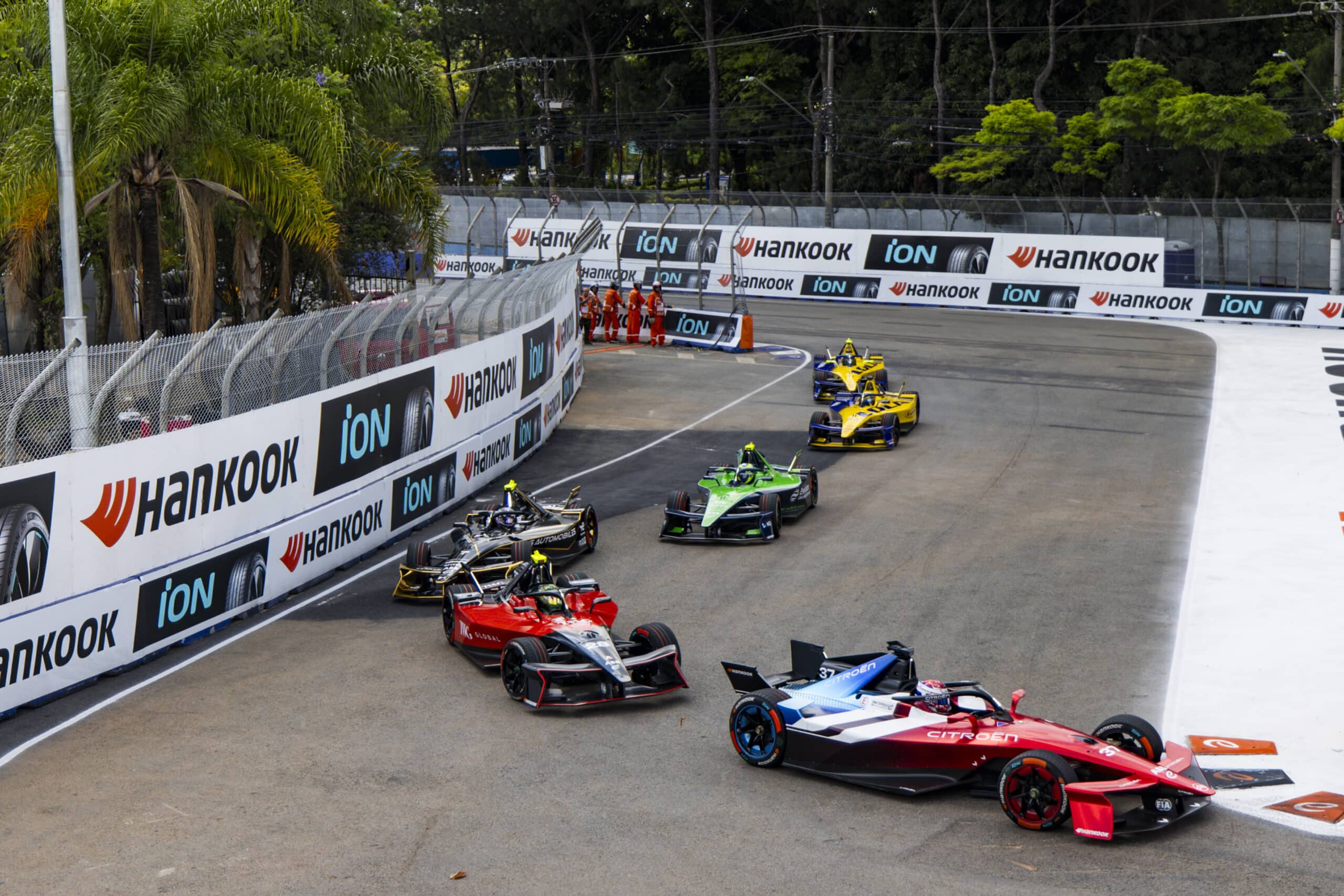
Formula E brings together world-class teams and drivers in cutting-edge electric single-seaters, competing on street circuits in the heart of the world’s most iconic cities. It’s a championship defined by innovation and strategy, where every lap counts.
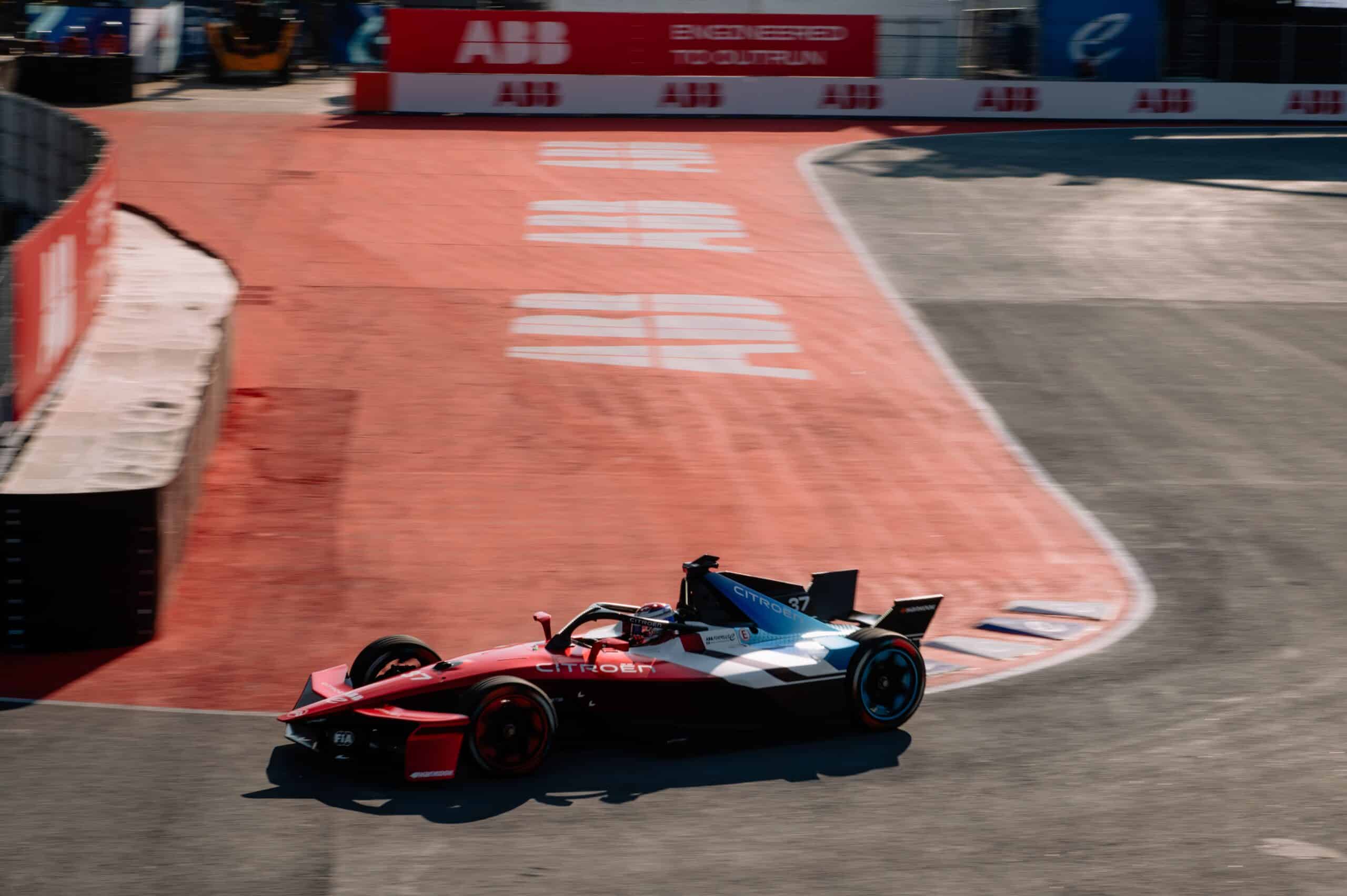
The series also embraces exciting unique features like Attack Mode – a high-risk, high-reward power boost activated by leaving the ideal racing line.
With activation rules revealed only on race day, teams must adapt in real time, creating a strategic challenge found nowhere else in racing.
A NEW CHAPTER
IN ELECTRIC MOTORSPORT
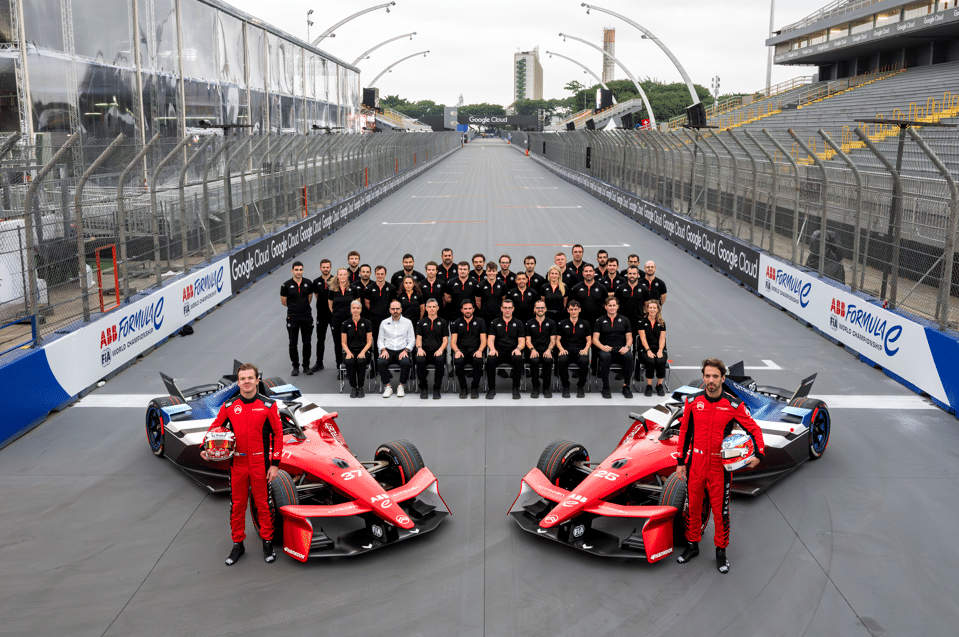
The future starts with Gen3 Evo : Citroën Racing enters Formula E in its most advanced era yet. The Gen3 Evo race car showcases the very best in electric performance, marking a leap forward in speed, design, and sustainability.
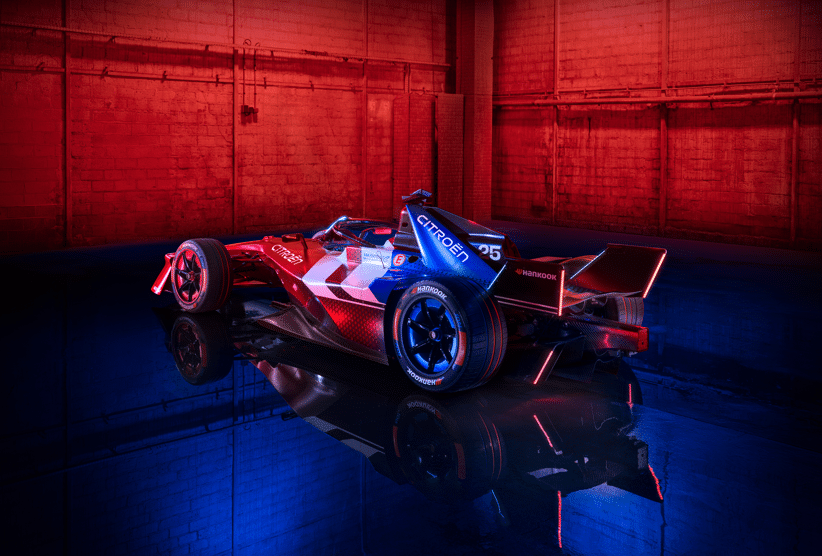
THE FORMULA E GEN3 EVO
Team & rivers
SEASON 12
GRID
Andretti Formula E

- Jake Dennis
- Felipe Drugovich
Cupra Kiro

- Josep Maria Marti
- Dan Ticktum
Citroën
- Jean-Éric Vergne
- Nick Cassidy
DS Penske

- Maximilian Günther
- Taylor Barnard
Envision Racing
- Sébastien Buemi
- Joel Eriksson
Jaguar TCS Racing
- Mitch Evans
- Antonio Felix Da Costa
Mahindra Racing
- Nyck De Vries
- Edoardo Mortara
Nissan Formula E Team

- Oliver Rowland
- Norman Nato
Porsche Formula E Team
- Nico Müller
- Pascal Wehrlein
Lola Yamaha ABT Formula E Team
- Lucas Di Grassi
- Zane Maloney
SEASON 12 SCHEDULE
calendar
São Paulo

Mexico City

Miami

Madrid
Jeddah

Berlin

Monaco

Sanya

Shanghai

Tokyo

Londres

THE FORMAT
ABOUT
THE RACING
Each Formula E weekend is fast-paced and highly competitive, with most sessions taking place on the same day. Teams must adapt quickly as they move through key stages (Free Practice, Qualifying, and the Race) all compressed into an intense, data-driven format that defines the championship.
attack mode

Pit boost