Press
11 Mar 2026
From a ladder to the Track: Max Klymenko Discovers Formula E from the Inside
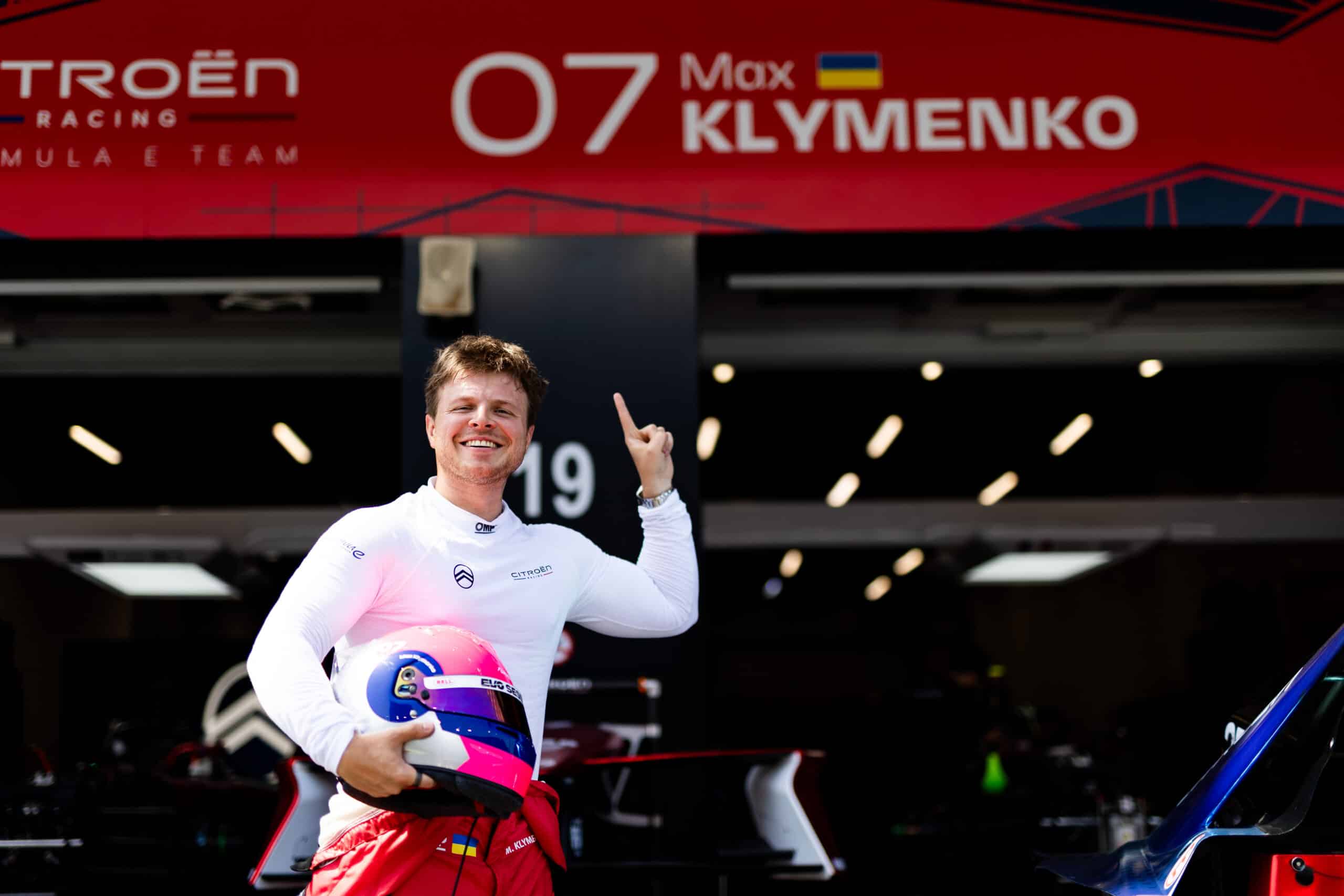
· From digital creator to Formula E driver for a day: Max Klymenko steps into the world of elite electric racing.
· Simulator training, technical briefings and a timed track session on the Jeddah Corniche Circuit.
· A first-hand look at the intensity, complexity and modern identity of Formula E.
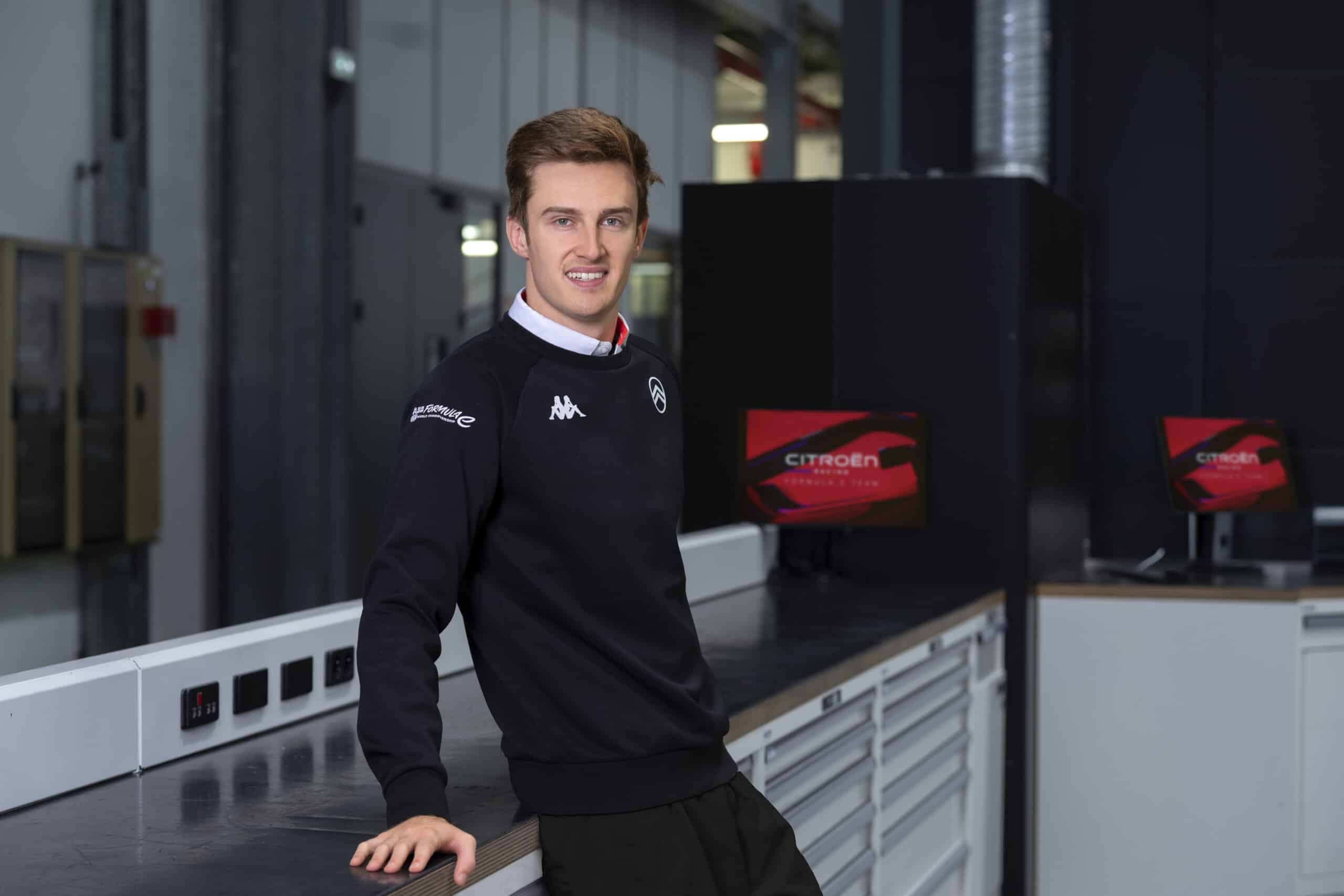
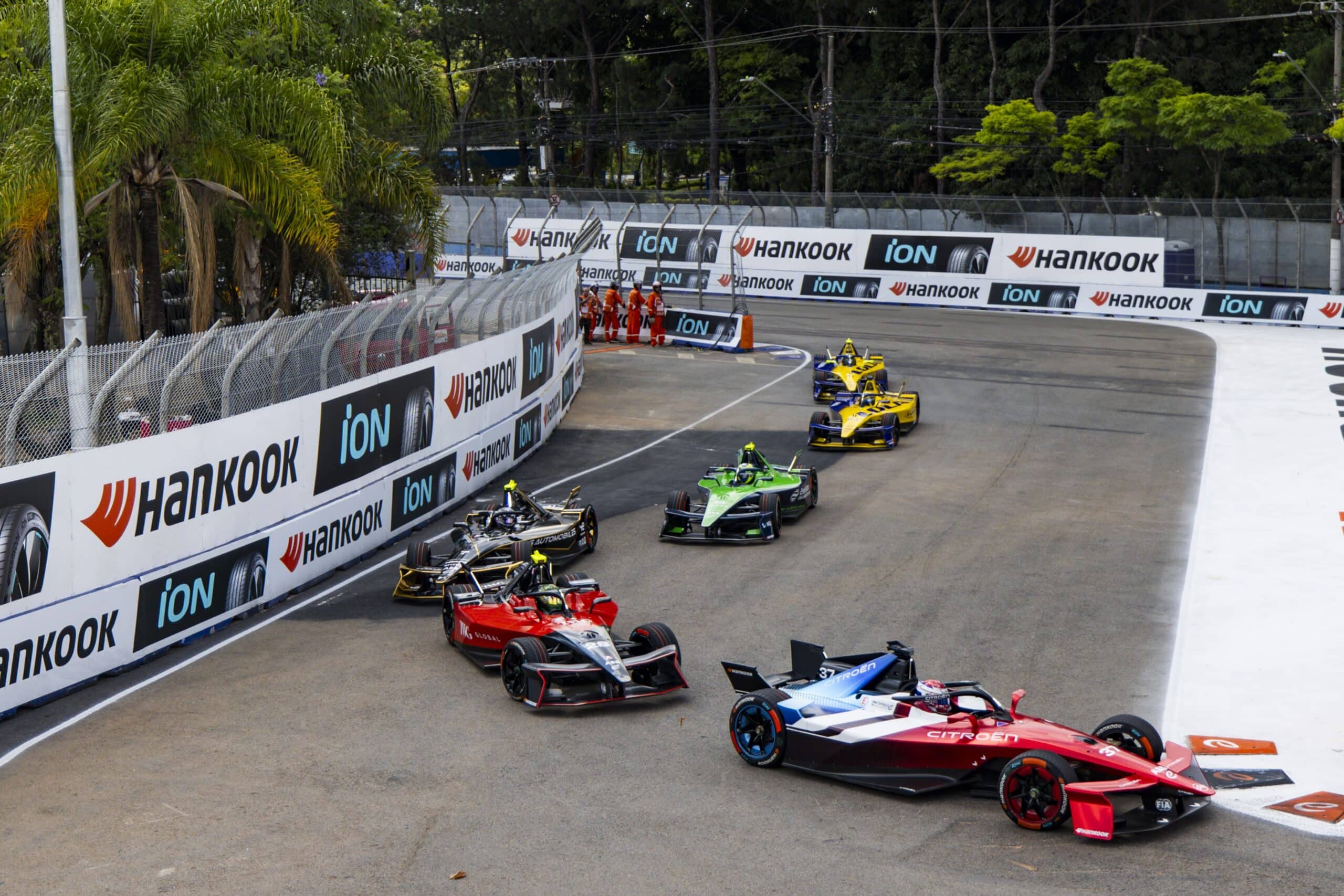
In Jeddah, on the Jeddah Corniche Circuit, Max Klymenko swapped his camera for the steering wheel of a Formula E car. For one day, the content creator stepped away from his digital world to immerse himself in the heart of the ABB FIA Formula E World Championship.
Invited by Formula E as part of the EVO Sessions, he experienced a rare kind of immersion — the kind that takes you from the other side of the barrier to the centre of the action.
Max is best known for his Career Ladder format, where he tries to guess his guests’ profession — or first job — in under two minutes. A concept he has taken around the world. This time, however, he wasn’t the one asking the questions. He was facing a challenge.
To prepare, he completed two simulator sessions guided by one of our race engineers. These sessions allowed him to familiarise himself with the fast and demanding layout of Jeddah — corners, braking zones, energy management. Nothing was left to chance.
But nothing fully prepares you for the moment you actually sit in the car.
“Yesterday was the first time I saw a Formula E race in real life. It was quicker than I expected. I did a lap in the safety car and it was already very impressive.”
Standing in front of the car, excitement mixes with realism.
“I have two things in mind: I want to do well… but I really don’t want to put the team in a difficult position if I make a big mistake with the car.”
The pressure is real, even for someone used to being in front of cameras.
“I feel excited, but I’ve never been in the car before. Everything is going to happen very fast when learning the curves.”
And beyond performance, there is the moment itself.
“I heard that fewer people have driven a Formula E car than have been to space. There are more people who’ve been to space than people who’ve experienced what I’m about to experience today.”
A sentence that sums it up: rare, intense, almost unreal.
Balancing personal challenge with the desire to enjoy every second on track, Max keeps his humour:
“If I’m the slowest, I’ll just say I spent the most time on track. Either way, I win.”
Accompanied by the team’s engineers and drivers, Max gradually understood the strategic complexity of Formula E: energy management from the very first laps, mastering the multifunction steering wheel, reading live data. A discipline where performance is not only about outright speed, but also precision and race intelligence.
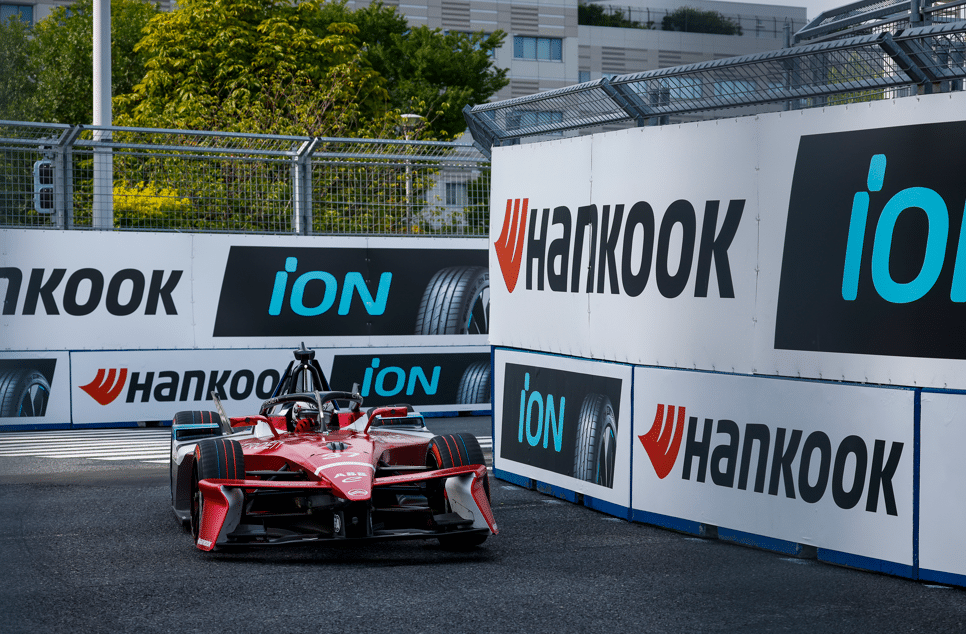
The day began under the Saudi heat with the traditional track walk. Alongside his race engineer for the day, Geoffrey L’Enfant, Max discovered the fast and technical Corniche layout for the first time. Every corner analysed, every braking point discussed. The circuit came to life on foot before it did at high speed.
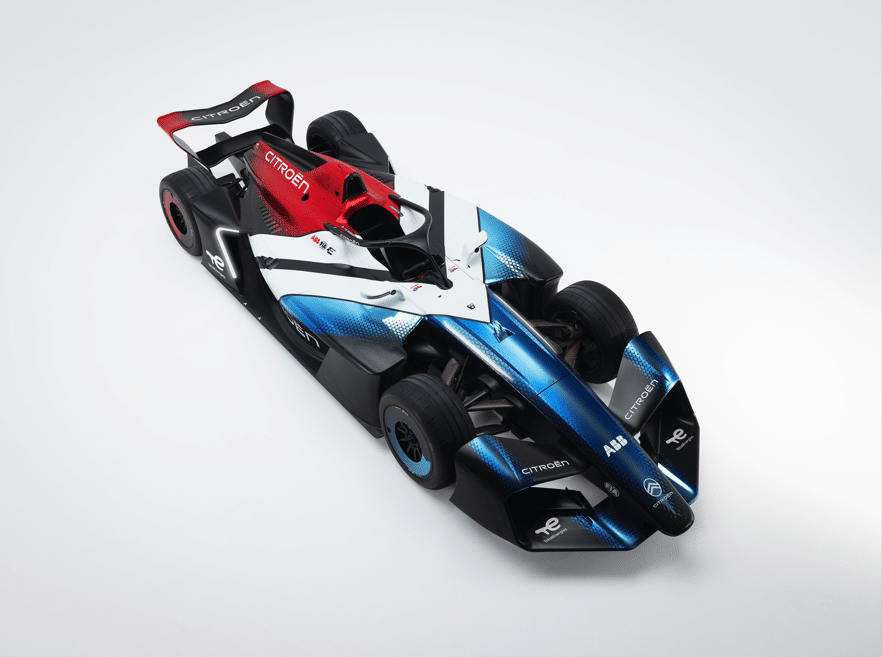
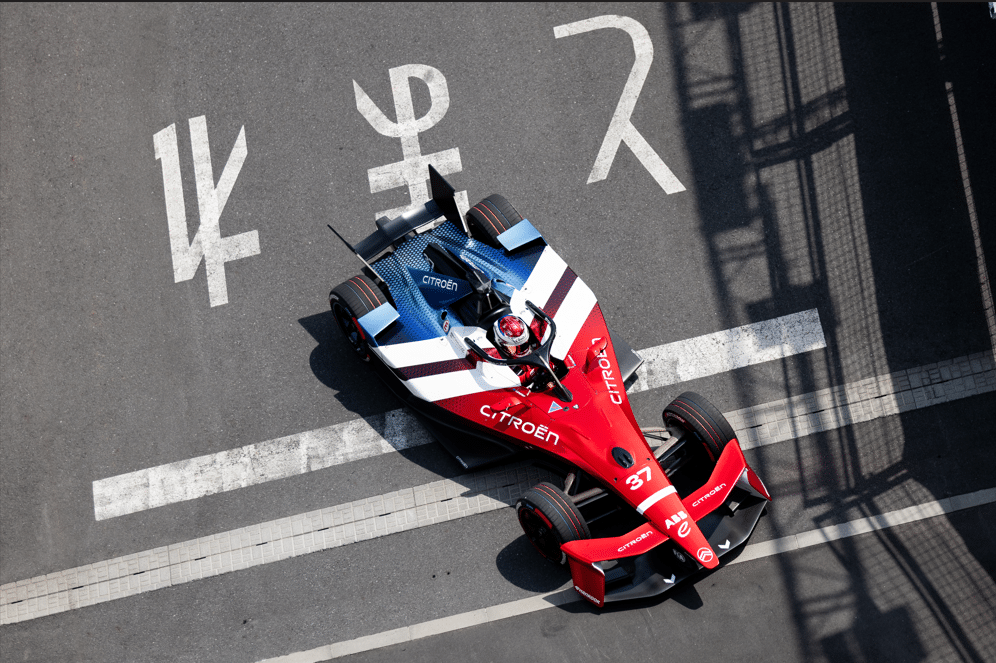
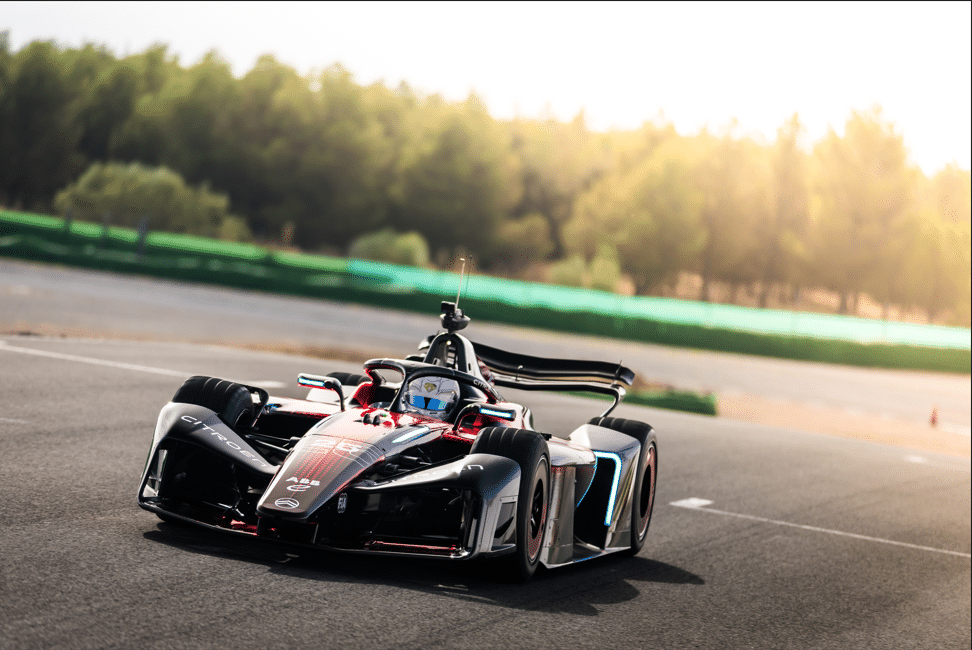
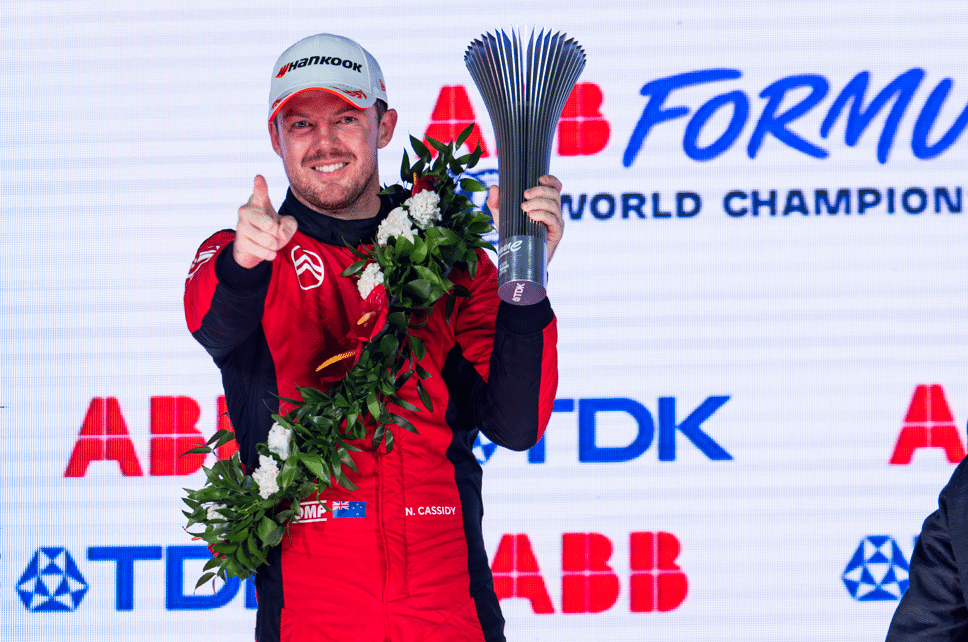
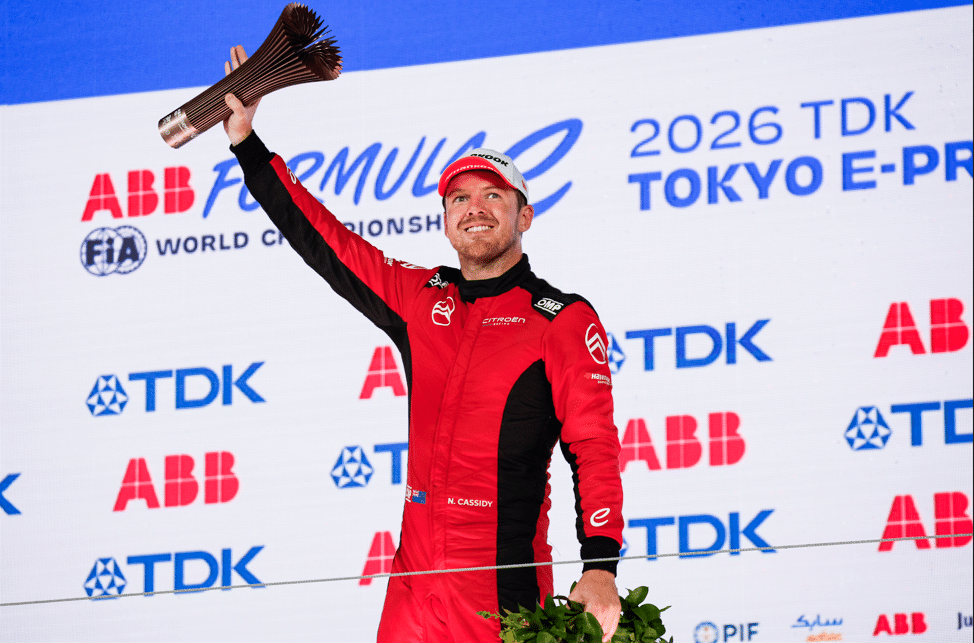
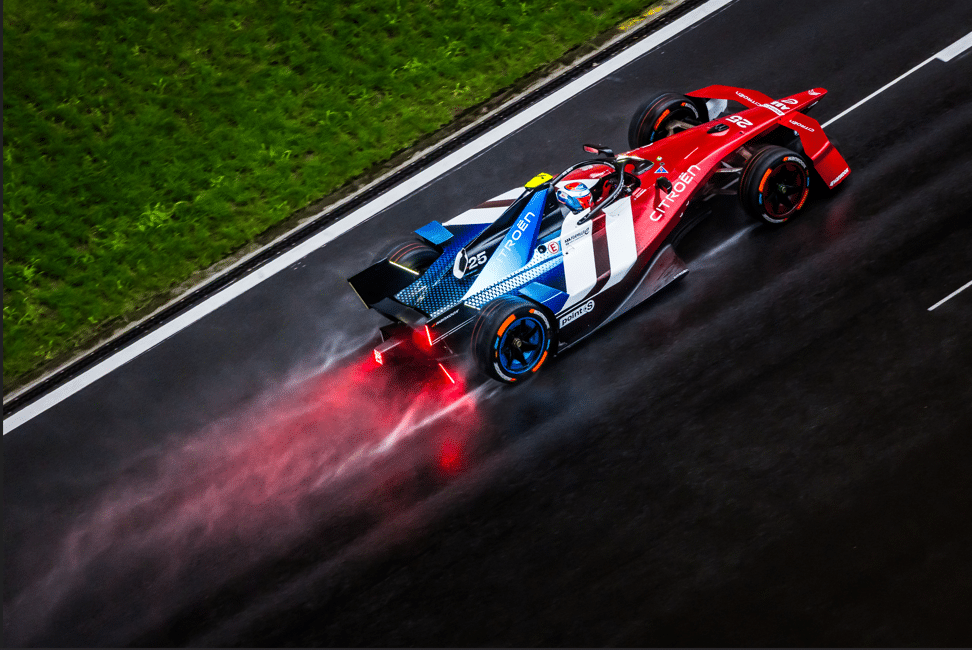
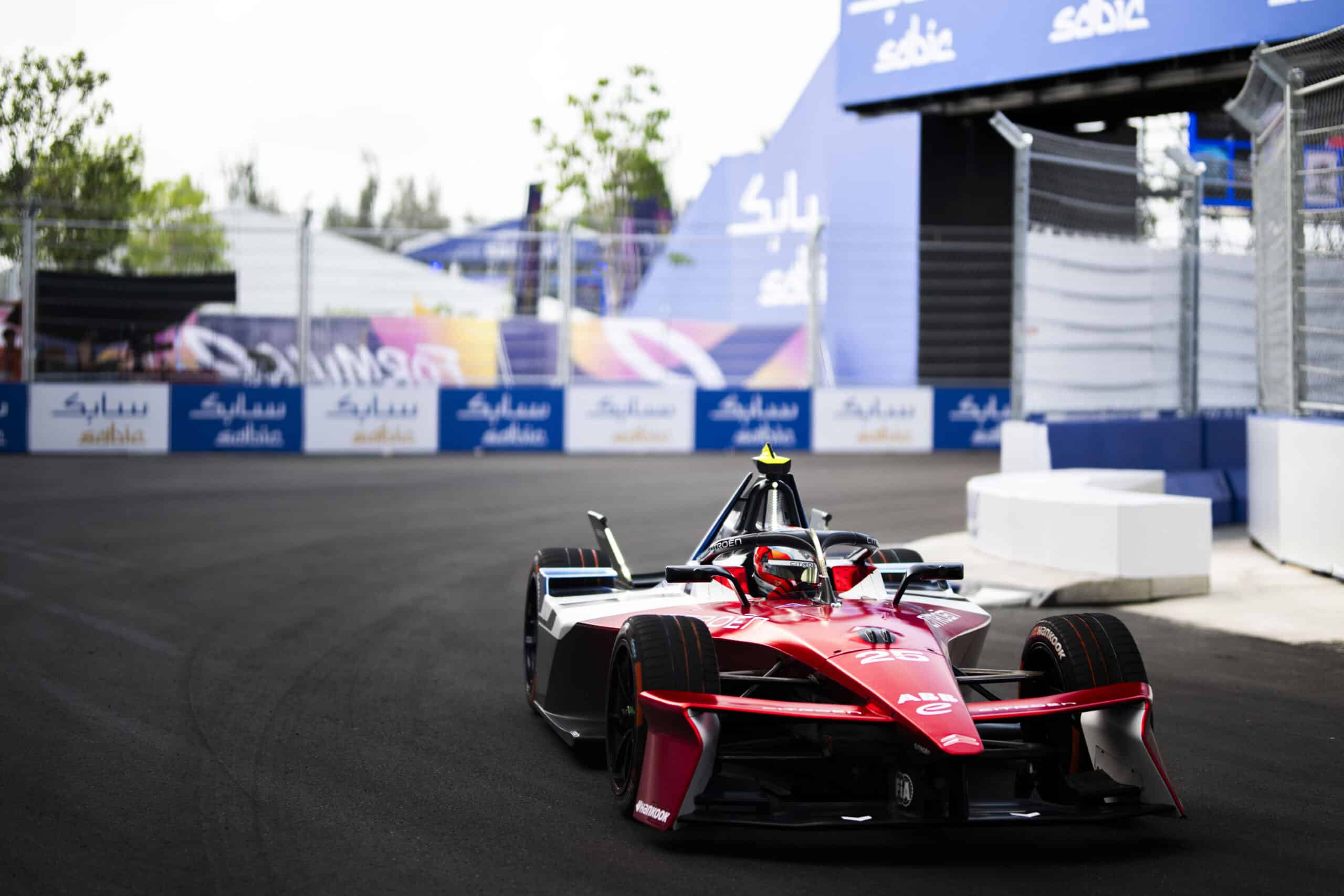
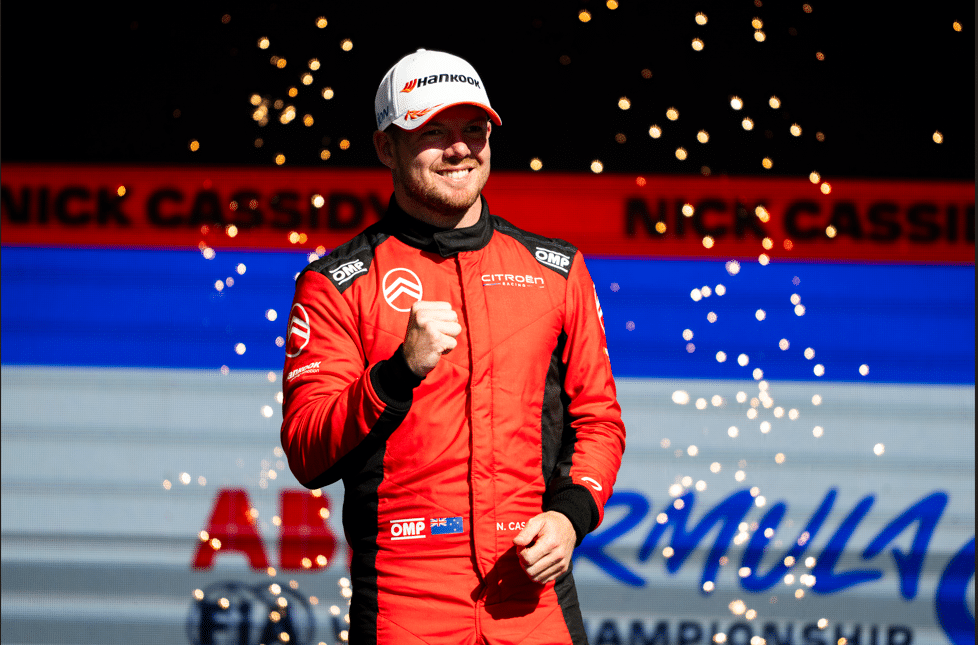
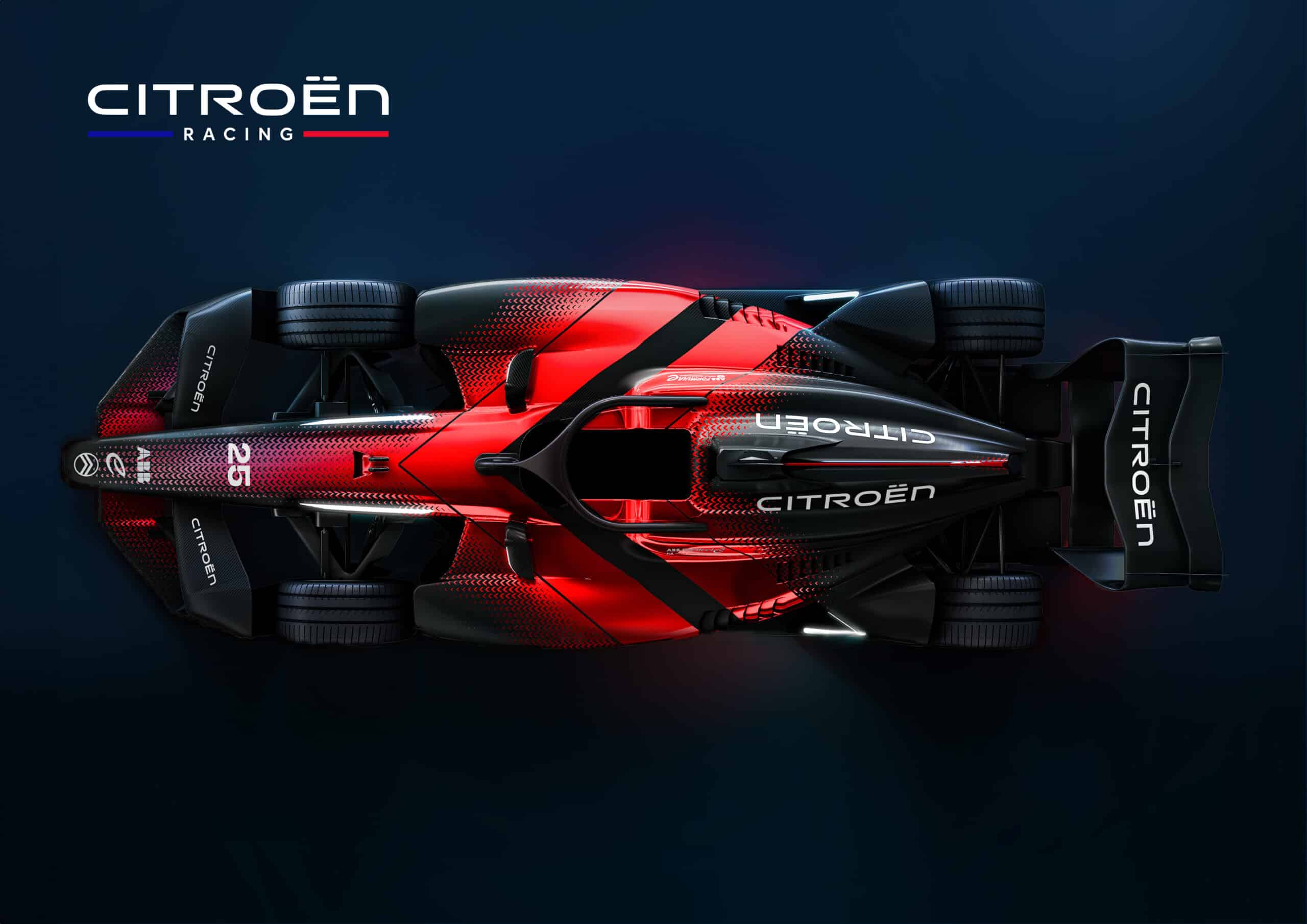
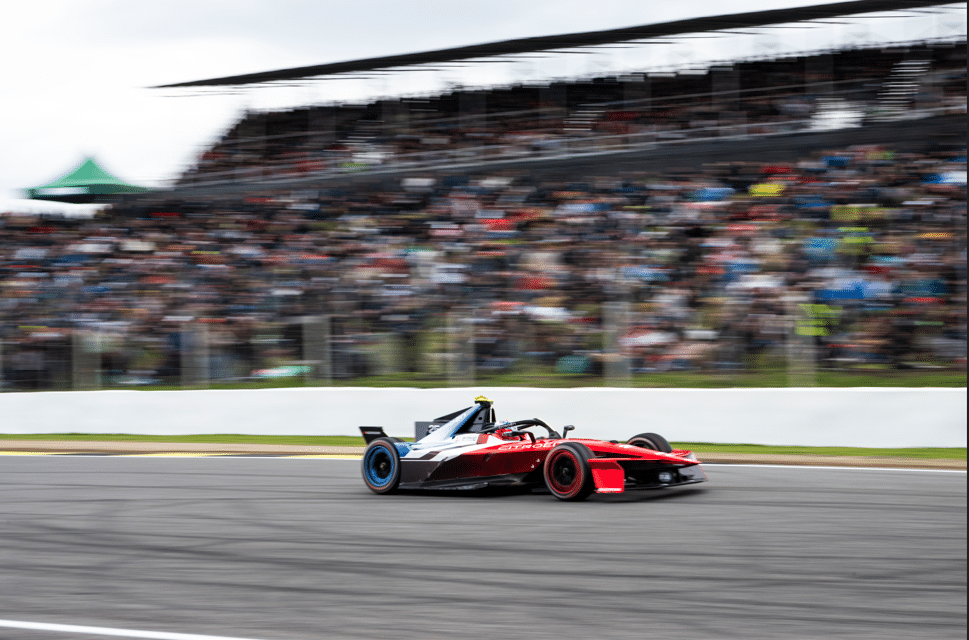
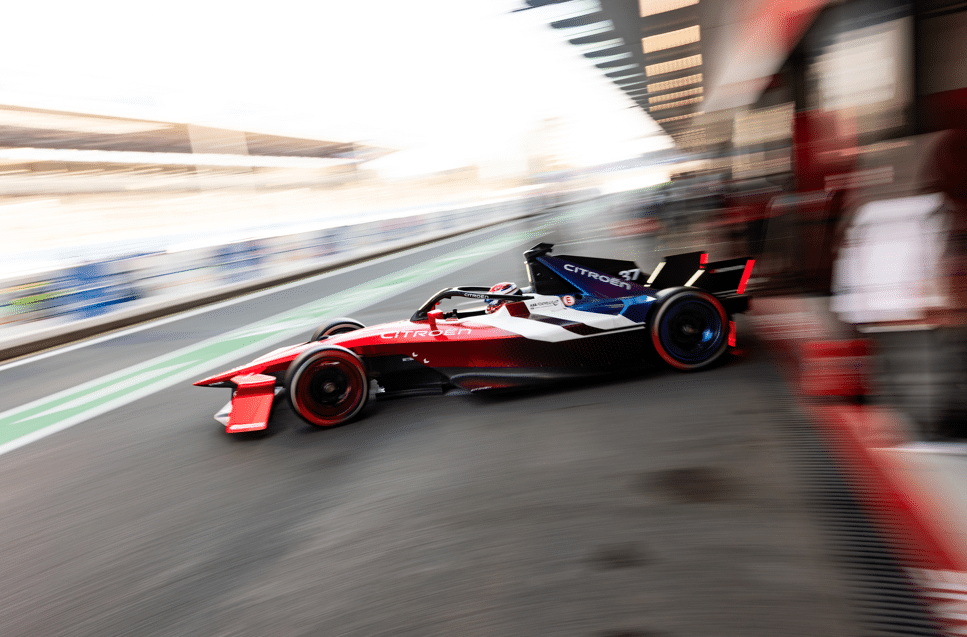
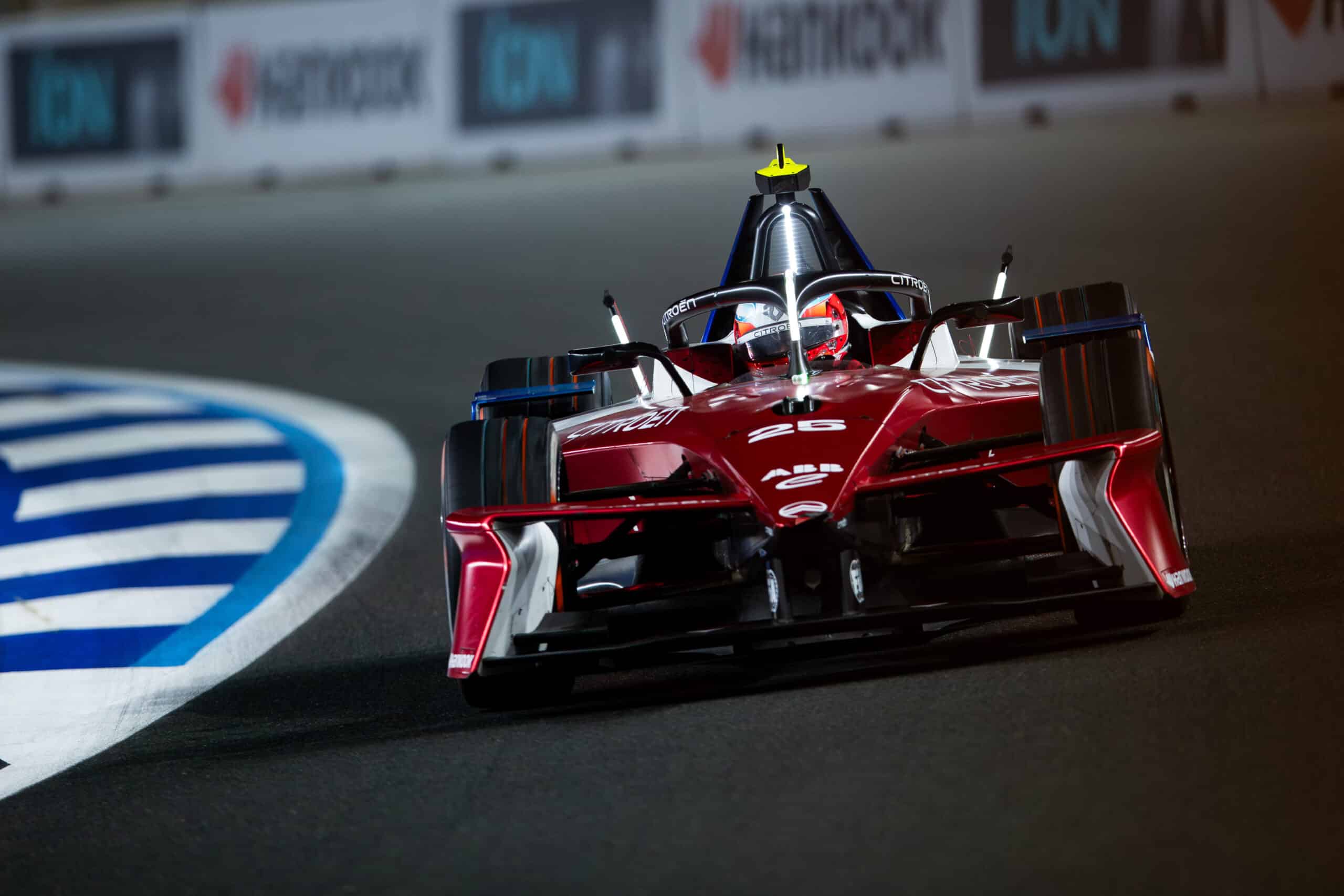
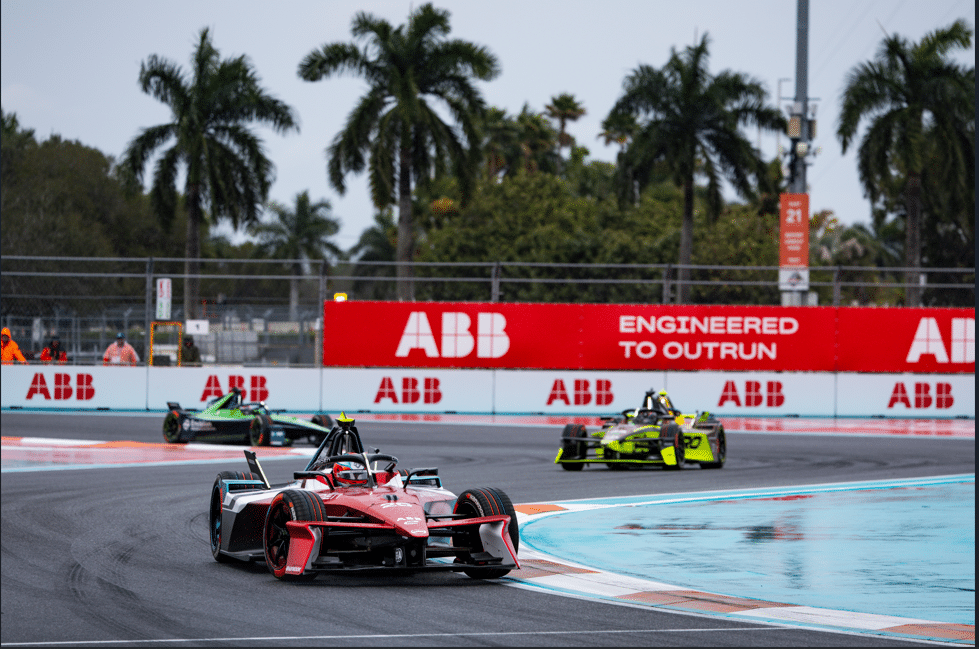
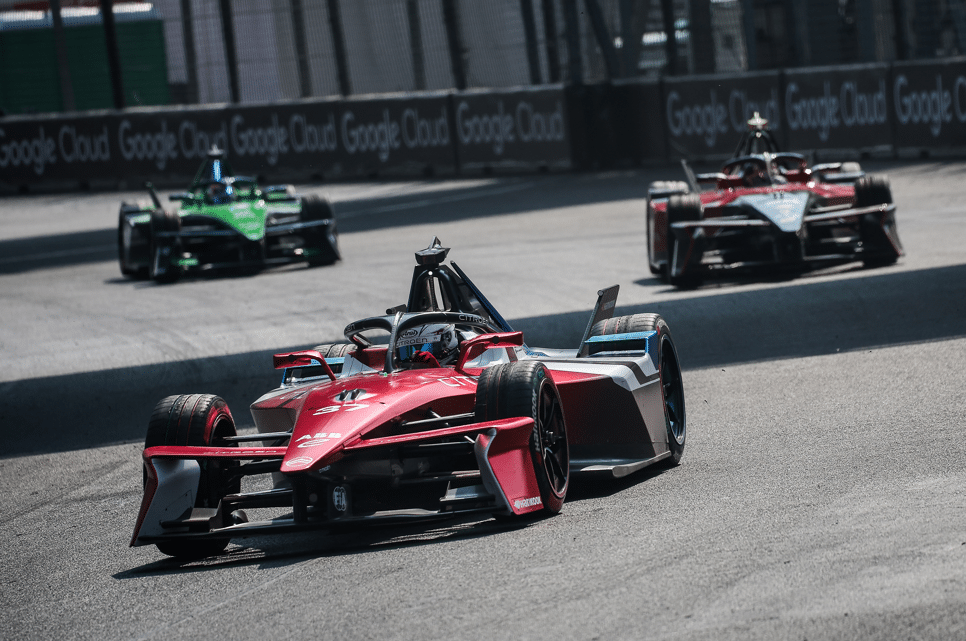
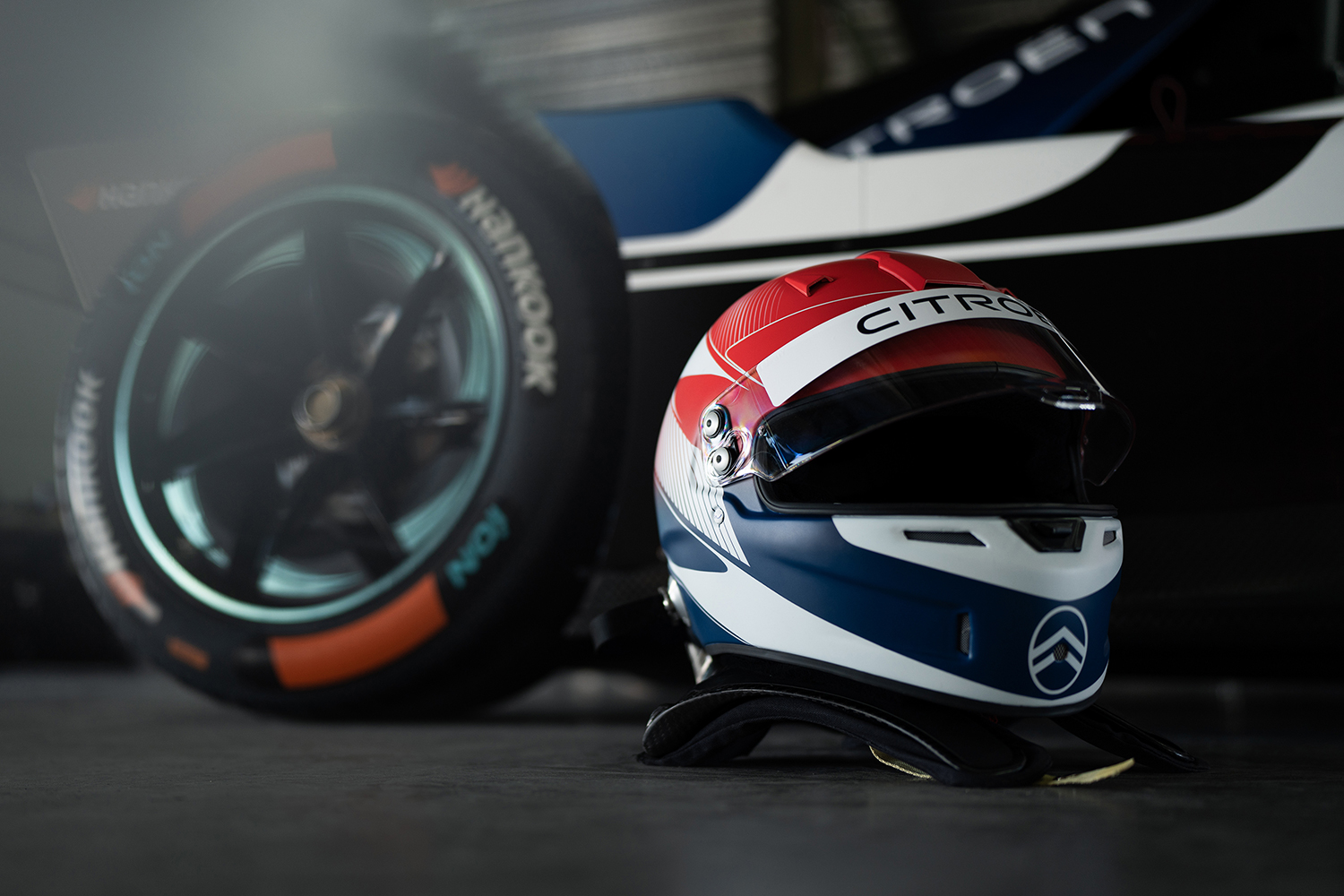
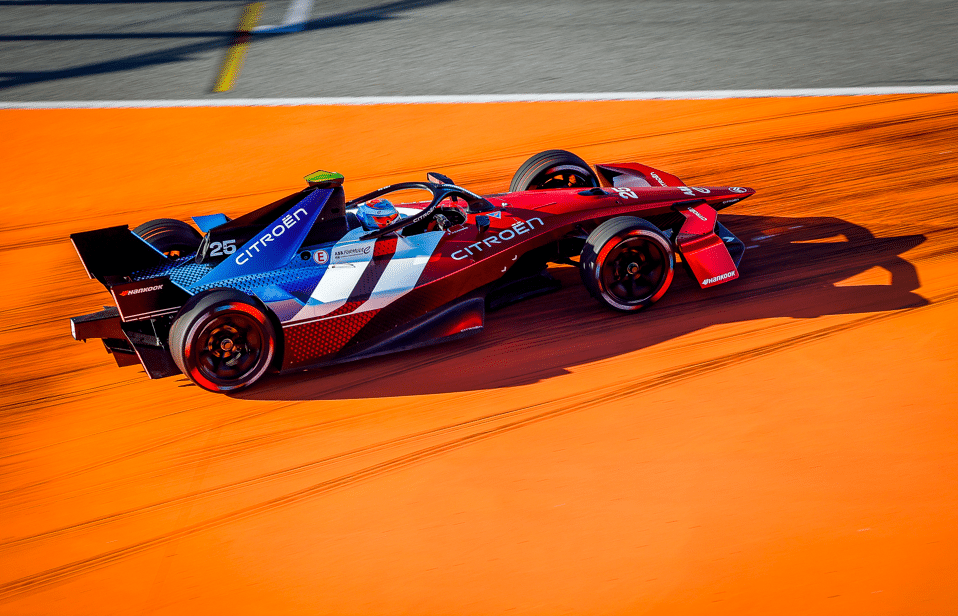
In his race suit, he then stepped into Nick Cassidy’s electric single-seater, specially rebranded for the EVO Sessions. Seat fitting, harness checks, steering wheel settings — the moment became real.
“I felt comfortable. The guys did a really good job with the seat fitting. I tested all the settings on the steering wheel and everything felt natural. I’m excited to go out in twenty minutes. I’m ready.”
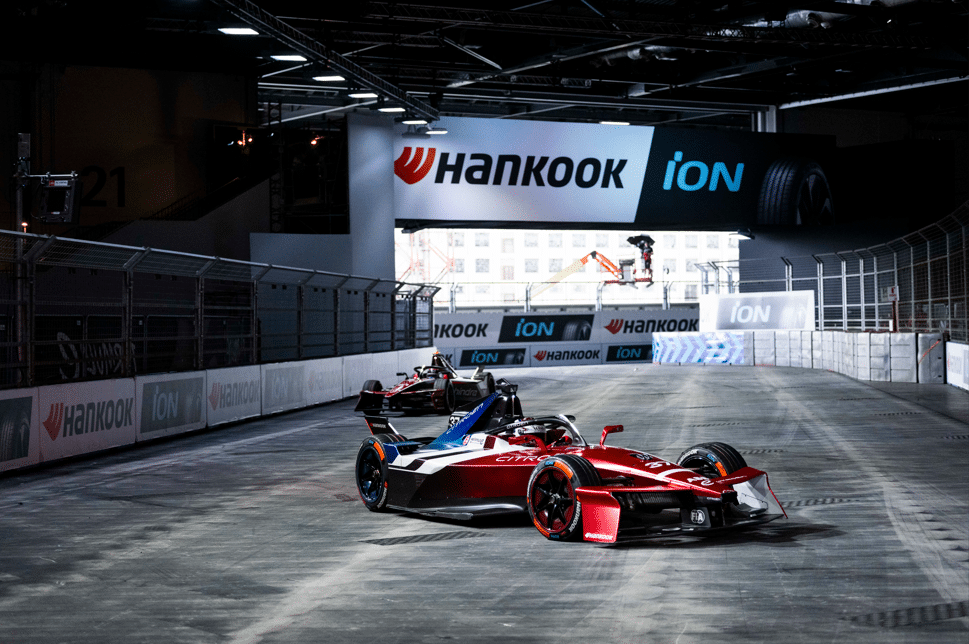
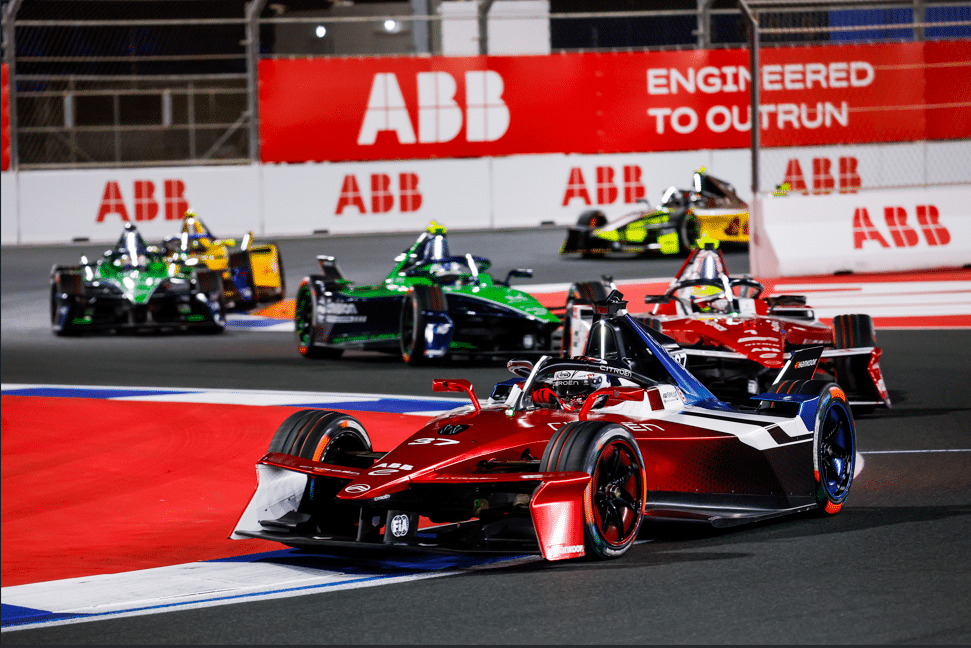
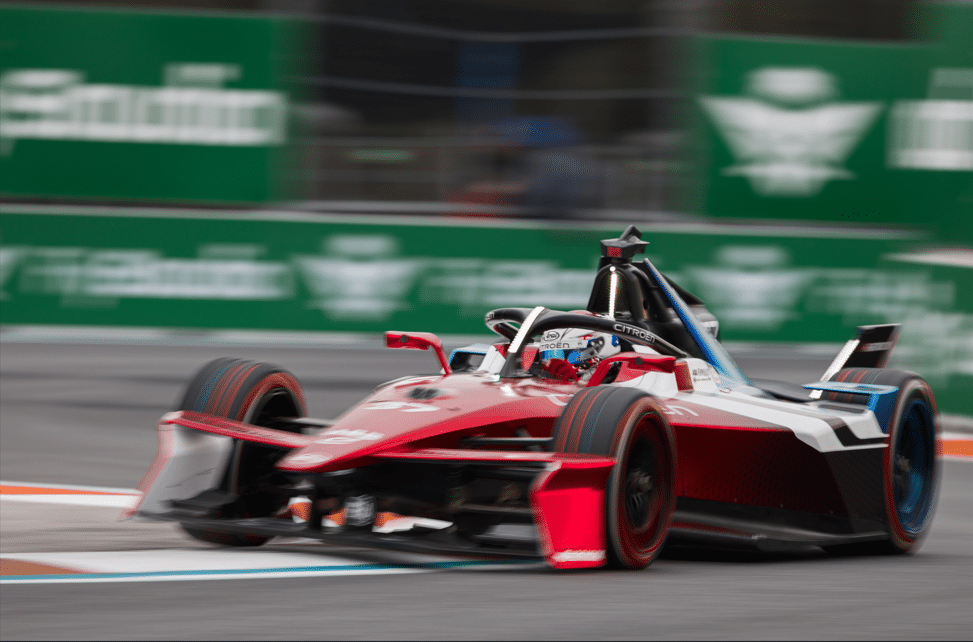
For his first track session, Max had fifteen minutes to set his best possible lap time and attempt to qualify for the Duels. Fifteen intense minutes where every detail matters. Fifteen minutes of discovery where safety always remains the top priority in the garage.
His first run confirmed one thing: behind the digital experience, there was a genuine sporting immersion. A discovery that goes beyond curiosity and reveals the complexity, modernity and high standards of the electric discipline.
“It was awesome. I was the biggest improver from qualifying to my duel. I don’t think anyone gained that much time. All the advice from Nick, JEV and Geoffrey worked.”
A measurable progression. Proof that beyond the image, the commitment was real.
A crash occurred on track. It could have unsettled him. He chose to stay focused.
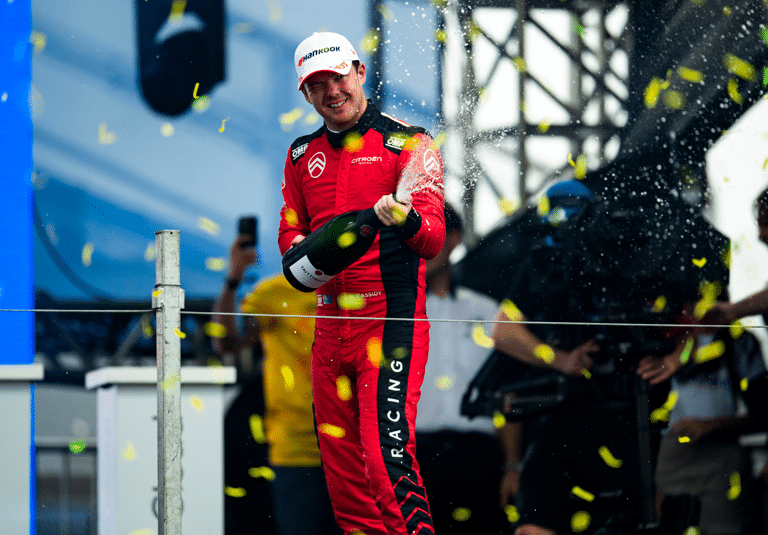
“After the crash, I set my best time, so I guess it didn’t really affect me. My first thought was to make sure everyone was okay. Once I knew that, I stuck to my plan. I tried to get quicker each lap. I’m really happy to go home with this trophy.”
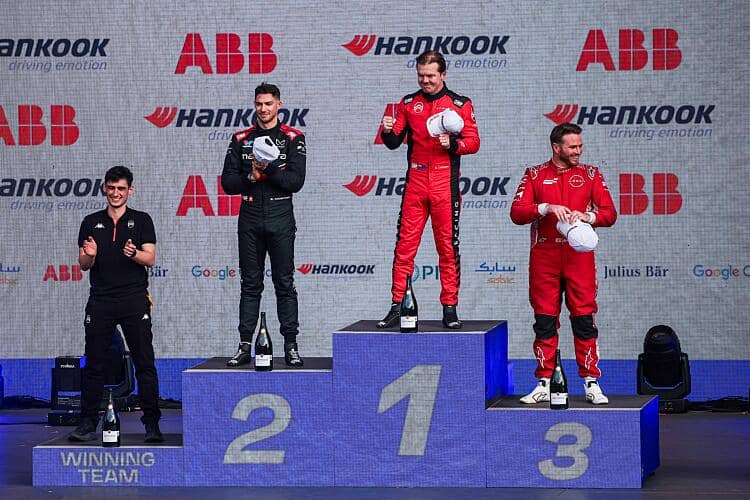
The Wooden Spoon — won after reaching the qualifying phase and facing another creator in this unique duel between the slowest lap times — added a touch of self-irony to an otherwise demanding day.
But behind the humour, the experience clearly left its mark.
“A few years ago, I wasn’t a motorsport fan. Then I visited the McLaren Formula 1 factory and started getting into it when I saw what the mechanics and engineers were doing with the car. It was impressive. My interest in motorsport grew over time.”
Formula E naturally fits into that evolution.
“It’s a sport that takes sustainability seriously, which connects with what we do. I first knew Formula 1, then discovered Formula E. When I was told I would be driving a Formula E car, I thought: ‘Sure, amazing.’ What a way to be introduced to it.”
Preparation was taken seriously.
“I did two simulator sessions and watched a lot of YouTube videos. Nick and JEV were very helpful. I’m here, the car is here, so far everything is working out.”
On track, the biggest challenge was trust.
“The hardest part was trusting myself on the brakes. I was braking too early, too hard. But most importantly, I enjoyed myself. For me, qualifying was already a great race.”
“It’s similar to Formula 1 but also very different at the same time. The vibe is different. The energy saving aspect is fascinating. I think if people looked into it more, they’d find it really fun. And I prefer the sound here compared to F1. It sounds like we’re really in 2026.”
Then he adds, almost surprised himself:
“I’m not a car guy. But everything here feels much more 21st century.”
Beyond lap times and a symbolic trophy, what this day in Jeddah truly represents is an encounter — the meeting of a digital creator with a discipline fully rooted in its era.
Formula E is not only about speed. It speaks of innovation, strategy, responsibility and looking forward. By opening its doors to profiles like Max Klymenko, it does more than reach a new audience — it reinforces its modern identity.
For Citroën Racing, this immersion goes beyond a simple activation. It reflects a belief: performance is meant to be shared, explained and experienced.
At the crossroads of technology, sport and digital culture, the EVO Sessions remind us that the motorsport of tomorrow is no longer only watched from the grandstands. It is experienced, understood and told.
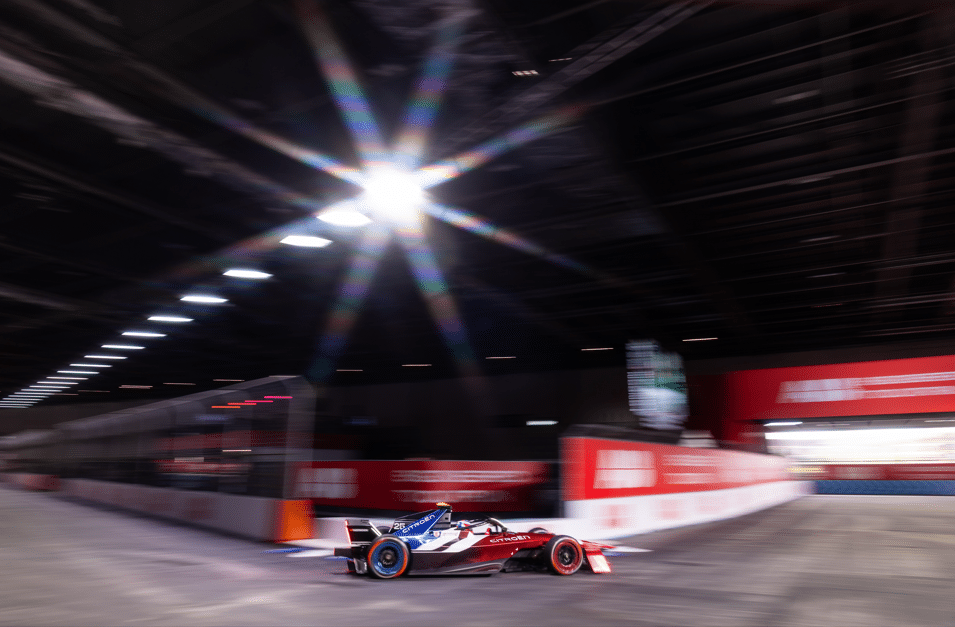
And sometimes, it starts with climbing a ladder… and ends at over 200 km/h under the Saudi floodlights.
· Simulator training, technical briefings and a timed track session on the Jeddah Corniche Circuit.
· A first-hand look at the intensity, complexity and modern identity of Formula E.
In Jeddah, on the Jeddah Corniche Circuit, Max Klymenko swapped his camera for the steering wheel of a Formula E car. For one day, the content creator stepped away from his digital world to immerse himself in the heart of the ABB FIA Formula E World Championship.
Invited by Formula E as part of the EVO Sessions, he experienced a rare kind of immersion — the kind that takes you from the other side of the barrier to the centre of the action.
Max is best known for his Career Ladder format, where he tries to guess his guests’ profession — or first job — in under two minutes. A concept he has taken around the world. This time, however, he wasn’t the one asking the questions. He was facing a challenge.
Preparation Matching the Challenge
In January, Max visited our workshop for the first time — an initial immersion designed to help him understand the technical demands of Formula E and the level of precision required in every detail.To prepare, he completed two simulator sessions guided by one of our race engineers. These sessions allowed him to familiarise himself with the fast and demanding layout of Jeddah — corners, braking zones, energy management. Nothing was left to chance.
But nothing fully prepares you for the moment you actually sit in the car.
A Real-Life Immersion
The EVO Sessions are not just a few introductory laps. The day follows the structure of a real race weekend: technical briefings, strategic preparation, track time and a timed session against other invited creators.“Yesterday was the first time I saw a Formula E race in real life. It was quicker than I expected. I did a lap in the safety car and it was already very impressive.”
Standing in front of the car, excitement mixes with realism.
“I have two things in mind: I want to do well… but I really don’t want to put the team in a difficult position if I make a big mistake with the car.”
The pressure is real, even for someone used to being in front of cameras.
“I feel excited, but I’ve never been in the car before. Everything is going to happen very fast when learning the curves.”
And beyond performance, there is the moment itself.
“I heard that fewer people have driven a Formula E car than have been to space. There are more people who’ve been to space than people who’ve experienced what I’m about to experience today.”
A sentence that sums it up: rare, intense, almost unreal.
Balancing personal challenge with the desire to enjoy every second on track, Max keeps his humour:
“If I’m the slowest, I’ll just say I spent the most time on track. Either way, I win.”
Accompanied by the team’s engineers and drivers, Max gradually understood the strategic complexity of Formula E: energy management from the very first laps, mastering the multifunction steering wheel, reading live data. A discipline where performance is not only about outright speed, but also precision and race intelligence.
The day began under the Saudi heat with the traditional track walk. Alongside his race engineer for the day, Geoffrey L’Enfant, Max discovered the fast and technical Corniche layout for the first time. Every corner analysed, every braking point discussed. The circuit came to life on foot before it did at high speed.
In his race suit, he then stepped into Nick Cassidy’s electric single-seater, specially rebranded for the EVO Sessions. Seat fitting, harness checks, steering wheel settings — the moment became real.
“I felt comfortable. The guys did a really good job with the seat fitting. I tested all the settings on the steering wheel and everything felt natural. I’m excited to go out in twenty minutes. I’m ready.”
For his first track session, Max had fifteen minutes to set his best possible lap time and attempt to qualify for the Duels. Fifteen intense minutes where every detail matters. Fifteen minutes of discovery where safety always remains the top priority in the garage.
His first run confirmed one thing: behind the digital experience, there was a genuine sporting immersion. A discovery that goes beyond curiosity and reveals the complexity, modernity and high standards of the electric discipline.
Between Progress and Perspective
Between qualifying and the Duel he would later win — the famous Wooden Spoon duel — Max recognised how far he had come.“It was awesome. I was the biggest improver from qualifying to my duel. I don’t think anyone gained that much time. All the advice from Nick, JEV and Geoffrey worked.”
A measurable progression. Proof that beyond the image, the commitment was real.
A crash occurred on track. It could have unsettled him. He chose to stay focused.
“After the crash, I set my best time, so I guess it didn’t really affect me. My first thought was to make sure everyone was okay. Once I knew that, I stuck to my plan. I tried to get quicker each lap. I’m really happy to go home with this trophy.”
The Wooden Spoon — won after reaching the qualifying phase and facing another creator in this unique duel between the slowest lap times — added a touch of self-irony to an otherwise demanding day.
But behind the humour, the experience clearly left its mark.
From Skepticism to Conviction
Max admits openly:“A few years ago, I wasn’t a motorsport fan. Then I visited the McLaren Formula 1 factory and started getting into it when I saw what the mechanics and engineers were doing with the car. It was impressive. My interest in motorsport grew over time.”
Formula E naturally fits into that evolution.
“It’s a sport that takes sustainability seriously, which connects with what we do. I first knew Formula 1, then discovered Formula E. When I was told I would be driving a Formula E car, I thought: ‘Sure, amazing.’ What a way to be introduced to it.”
Preparation was taken seriously.
“I did two simulator sessions and watched a lot of YouTube videos. Nick and JEV were very helpful. I’m here, the car is here, so far everything is working out.”
On track, the biggest challenge was trust.
“The hardest part was trusting myself on the brakes. I was braking too early, too hard. But most importantly, I enjoyed myself. For me, qualifying was already a great race.”
A Discipline Anchored in Its Time
Comparison with Formula 1 comes naturally.“It’s similar to Formula 1 but also very different at the same time. The vibe is different. The energy saving aspect is fascinating. I think if people looked into it more, they’d find it really fun. And I prefer the sound here compared to F1. It sounds like we’re really in 2026.”
Then he adds, almost surprised himself:
“I’m not a car guy. But everything here feels much more 21st century.”
Beyond lap times and a symbolic trophy, what this day in Jeddah truly represents is an encounter — the meeting of a digital creator with a discipline fully rooted in its era.
Formula E is not only about speed. It speaks of innovation, strategy, responsibility and looking forward. By opening its doors to profiles like Max Klymenko, it does more than reach a new audience — it reinforces its modern identity.
For Citroën Racing, this immersion goes beyond a simple activation. It reflects a belief: performance is meant to be shared, explained and experienced.
At the crossroads of technology, sport and digital culture, the EVO Sessions remind us that the motorsport of tomorrow is no longer only watched from the grandstands. It is experienced, understood and told.
And sometimes, it starts with climbing a ladder… and ends at over 200 km/h under the Saudi floodlights.